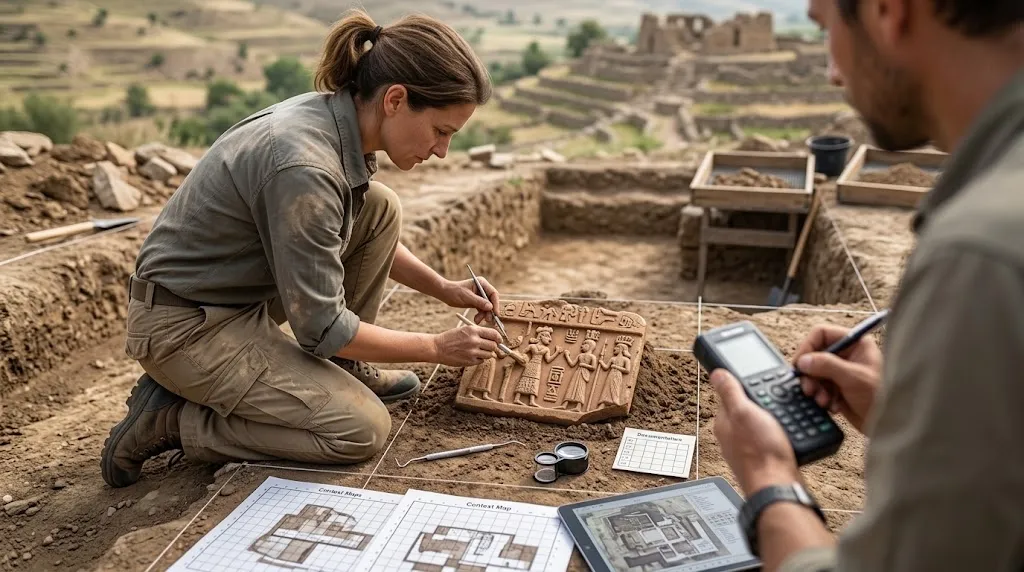
Uncovering Ancient Stories Through Excavation
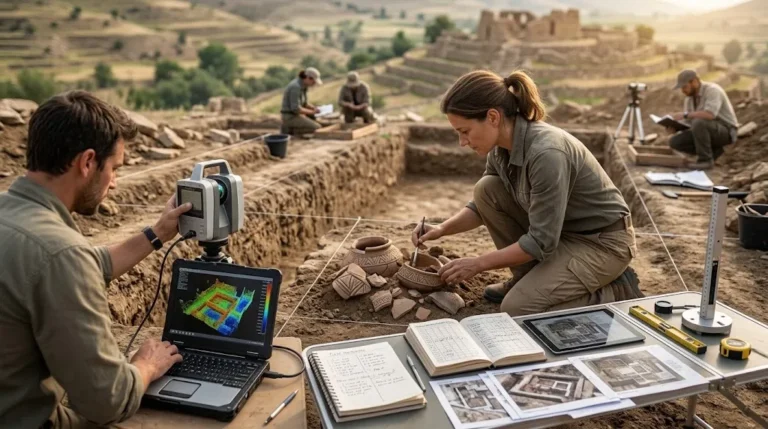
Excavation is where theory meets earth, where centuries of silence are broken by careful brushstrokes and meticulous documentation. My work in the field is not just about extracting artifacts; it’s about listening to what the ground has preserved, understanding the contexts in which objects were buried, and reconstructing narratives that have been lost to time. Each season brings new mysteries, new challenges, and profound moments of discovery that reshape our understanding of ancient Kalash civilization.
The Art of Reading the Soil
Every layer of earth tells a story. When we excavate, we’re not just digging; we’re reading a text written in sediment, pottery sherds, and organic remains. The soil stratification reveals chronological sequences—what came first, what came later, what changed over centuries. In Kalash valleys, this work is particularly rewarding because it allows us to connect physical evidence with cultural memory. Local elders often guide our excavations, pointing to sites where oral traditions speak of ancient settlements, and then we verify these narratives through archaeological evidence.
Documentation and Context
The most valuable part of excavation isn’t the artifact itself—it’s the context in which we find it. Where was it located? At what depth? What else was nearby? These details create a complete picture. I’ve developed systematic documentation methods that ensure every finding is recorded with precision. Photography, detailed field notes, and precise measurements become the language through which we communicate with future archaeologists and researchers who will continue this work long after we’re gone.
Working With Communities
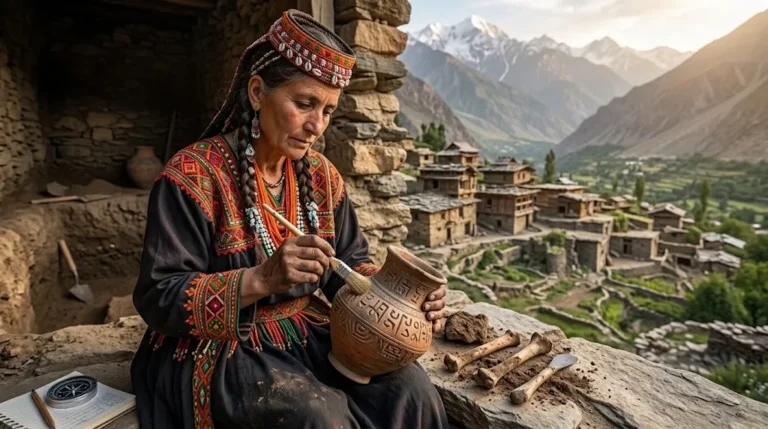
Excavation is a collaborative process. I work closely with local communities, train volunteers, and involve young people from Kalash villages in the fieldwork. This isn’t charity—it’s necessity. They understand the landscape, the local geography, and the cultural significance of sites in ways that external researchers cannot. Moreover, this approach ensures that archaeological knowledge remains connected to the communities whose heritage we’re studying, rather than being extracted and confined to academic institutions.
Challenges and Discoveries
Fieldwork is unpredictable. We face challenges ranging from difficult terrain and weather conditions to the delicate task of excavating near sacred sites. Yet these challenges often lead to unexpected discoveries. A pottery fragment can lead us to an entirely new settlement. A refuse heap can reveal dietary practices from thousands of years ago. These moments—when the past suddenly becomes tangible in your hands—are why I do this work.
Preserving What We Find
Once we excavate, our responsibility extends far beyond the field season. Artifacts must be properly conserved, analyzed, and eventually made accessible to communities and scholars. I’m committed to ensuring that findings from Kalash excavations are shared with local people first, published in accessible formats, and stored in institutions that prioritize preservation. The artifacts belong to humanity, but they have a special significance for the Kalash people, and this must always be honored.