Why Archaeological Documentation Matters
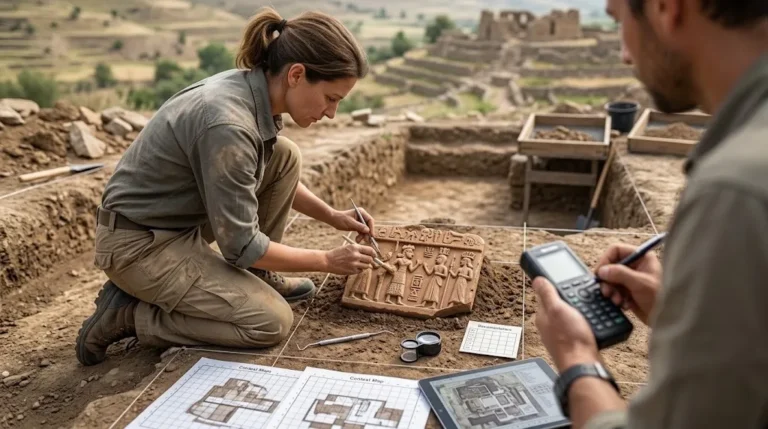
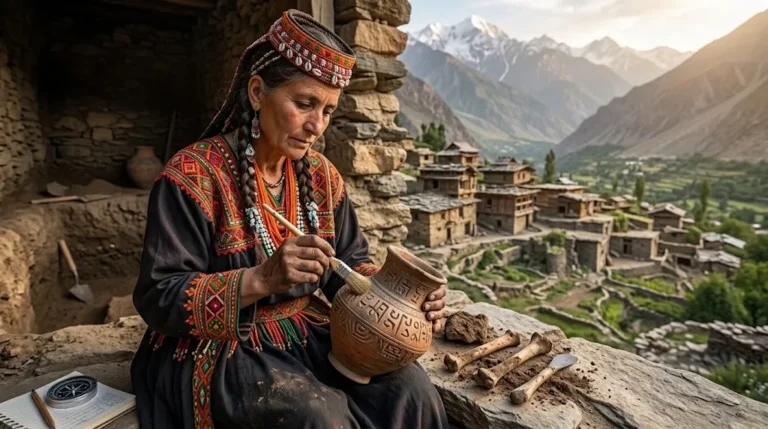
In a rapidly changing world, ancient knowledge systems and cultural landscapes face unprecedented threats. Archaeological documentation serves as an insurance policy for human heritage—a systematic record of what once existed, what thrived, and what shaped our ancestors’ lives. My work in preserving and documenting Kalash archaeological sites isn’t merely academic; it’s an act of cultural responsibility. Every artifact recorded, every site mapped, and every narrative documented ensures that future generations will have access to their own history.
The Crisis of Lost Knowledge
Communities around the world are witnessing the disappearance of their heritage sites due to development, climate change, and urbanization. In the Kalash valleys, these pressures are intensifying. Villages expand, agricultural practices change, and ancient settlement patterns become obscured. Without systematic archaeological documentation, the material evidence of our past simply vanishes. Once a site is destroyed or looted, that knowledge is lost forever. This urgency drives my commitment to document every excavation, every finding, and every detail with the highest standards of rigor and care.
Documentation as Decolonial Practice
Traditional archaeology has often been a colonial enterprise—outsiders studying non-Western peoples, extracting knowledge, and controlling narratives. I believe documentation must be different. When we record Kalash archaeological sites, we’re not just collecting data; we’re creating a permanent record that belongs to the community. I ensure that local people have access to all documentation, that knowledge is shared in local languages, and that interpretations center indigenous perspectives rather than imposing external frameworks.
Technology and Traditional Knowledge
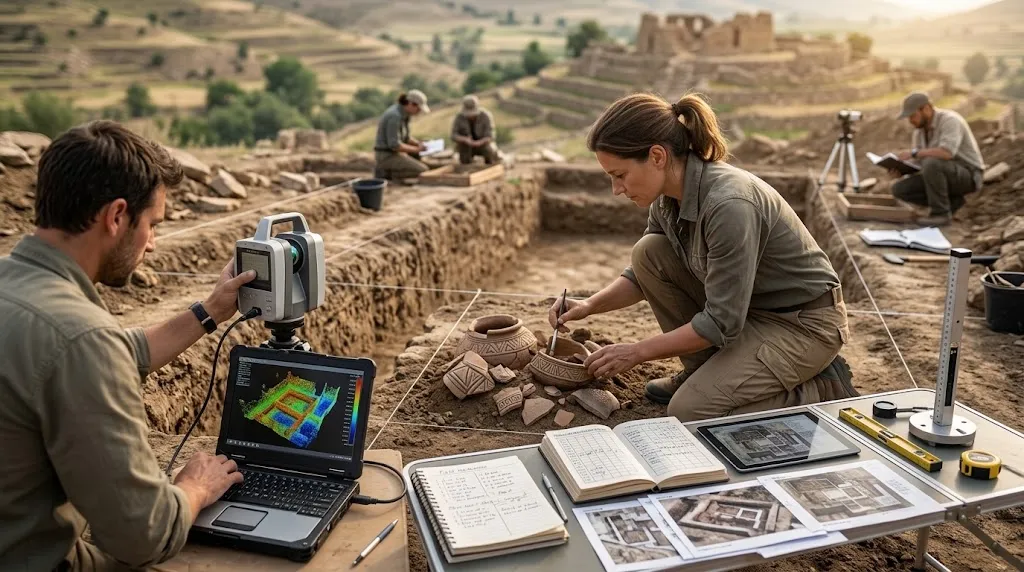
Modern archaeological documentation employs advanced technologies—3D imaging, digital mapping, and drone surveys—that allow us to record sites with unprecedented detail. Yet technology alone is insufficient. I combine these tools with traditional ecological knowledge and community oral histories. This integration creates richer, more complete understandings of ancient landscapes. A digital model of an excavation site gains deeper meaning when it’s interpreted through the stories and knowledge systems of the communities who have lived in these valleys for generations.
Creating Accessible Archives
Documentation means nothing if it remains locked in academic journals or institutional databases. I’m committed to making our findings accessible. This means publishing in multiple languages, creating visual records that communicate without requiring technical expertise, and sharing knowledge with local schools and communities. Young people from Kalash villages should be able to see themselves in the archaeological record—to understand their own heritage through both ancient artifacts and contemporary narratives.
The Future of Preservation
As I continue this work, my vision extends beyond individual excavations. I’m working toward establishing community-based archives where Kalash heritage documentation is preserved locally, owned locally, and controlled by local institutions. This ensures that archaeological knowledge remains connected to its source—the Kalash people and their valleys—rather than being absorbed into distant museums or academic centers. Preservation, ultimately, is an act of respect and self-determination.